Carboxytherapy
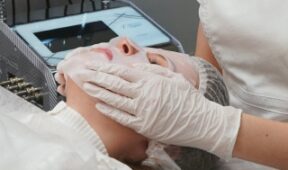
Carboxytherapy is a treatment used in aesthetic cosmetology, aimed at improving skin condition by stimulating natural regenerative processes. The method is applied in facial care as well as selected areas of the body. Through controlled action, it supports tissue oxygenation and improves microcirculation.
How does carboxytherapy work and what does the procedure involve?
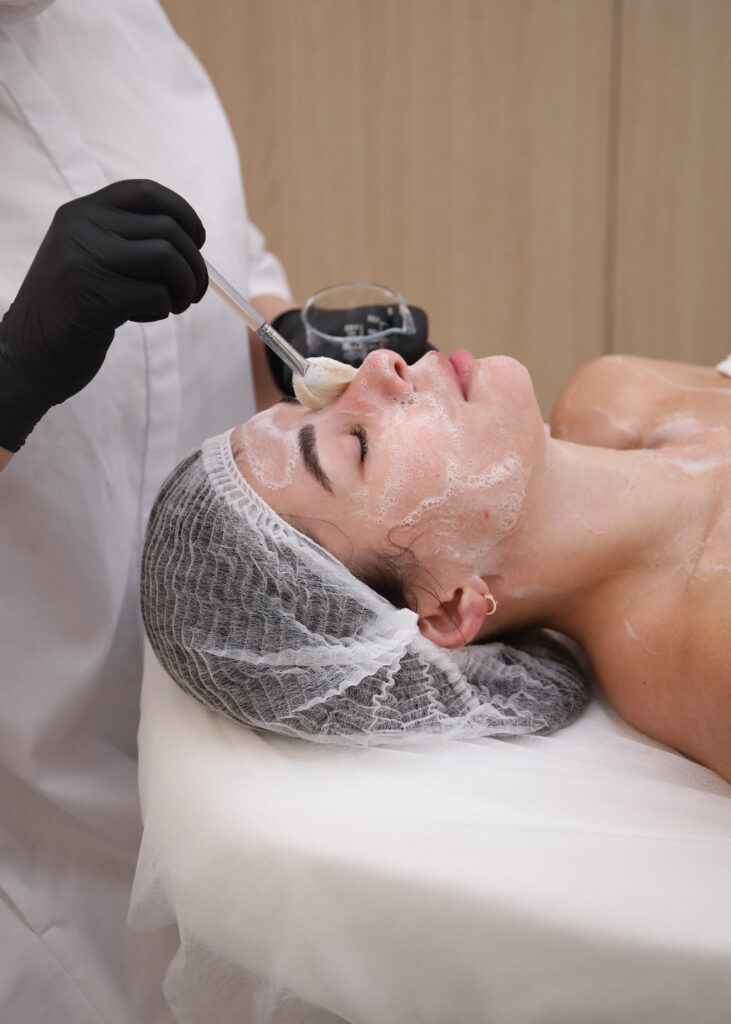
Carboxytherapy treatment is based on the use of carbon dioxide, applied in a way adapted to the treatment area. CO₂ may temporarily dilate blood vessels, which helps improve skin oxygenation and activate repair processes.
In aesthetic cosmetology, the method is used, among others, as facial carboxytherapy and in delicate areas around the eyes — for example, when addressing dark circles under the eyes. The procedure is carried out under controlled conditions and usually does not require a long break from daily activities.
Who is this type of therapy recommended for?
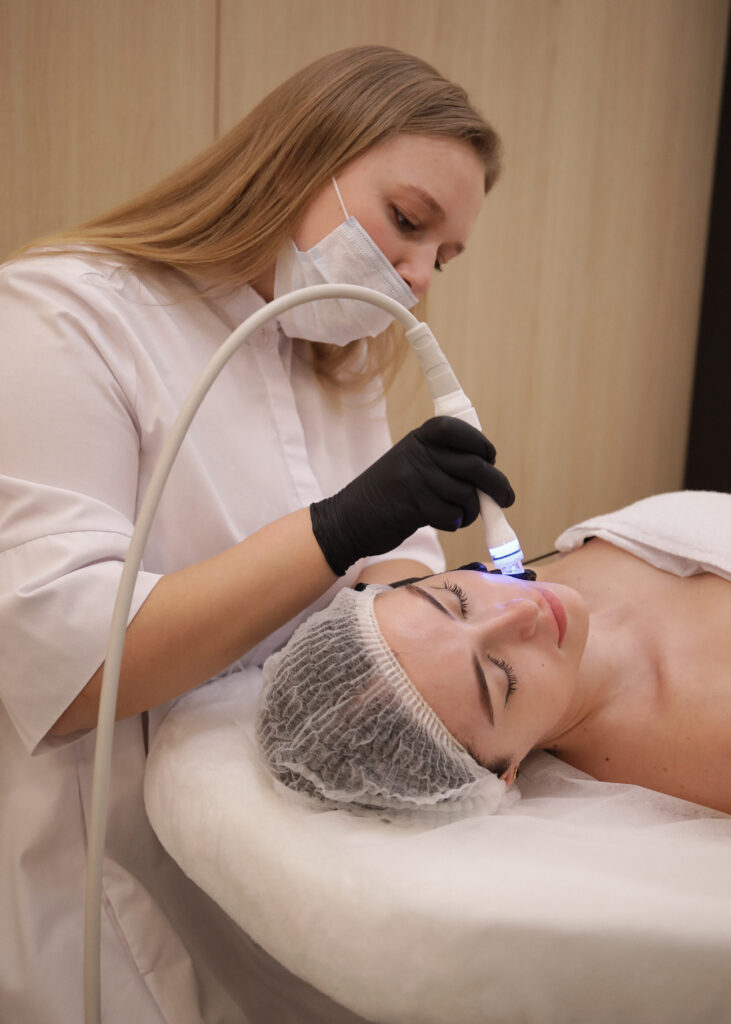
This method is chosen by people who want to improve the appearance of their skin gradually, without aggressive techniques. The treatment is often selected for tired-looking skin, uneven tone, or when gentle support of microcirculation and a fresher appearance are desired.
Carboxytherapy in Warsaw is suitable for both women and men who prefer non-invasive solutions and expect natural results without excessive intervention.
As part of a comprehensive skincare approach, carboxytherapy can serve as a preparatory stage for further cosmetic treatments. After improving microcirculation and tissue oxygenation, a natural complement may be mesotherapy, which supports regenerative processes and nourishes the skin at a cellular level.
What can you gain from carboxytherapy?
- improved tissue oxygenation
- support for microcirculation
- more even skin tone
- a noticeable feeling of freshness
- stimulation of natural regenerative processes
Book carboxytherapy at PIED-DE-POULE in a convenient location
The treatment is available at selected PIED-DE-POULE salons in Warsaw, making it easy to fit your visit around work, commuting and daily routines. Choose the location that best suits your route and set your appointment online — without unnecessary steps.
Piękna 49 Śródmieście | Metro: Centrum / Politechnika
Grzybowska 4 Centrum / Wola | Metro: Świętokrzyska / Rondo ONZ
Oś Królewska 18 Wilanów | Easy access by public transport
Choose the location and appointment time that suit your needs — booking is completed online quickly and conveniently. Check available appointments and plan your visit at your chosen location.
Customer reviews
-
I adore PDP. I especially like hairdresser Yana who works in a salon located on Shota Rustaveli Street. After her great work my hair looks stunning and shiny. This is the best salon for me in all respects. There is always a cool atmosphere and friendly beauty experts.
-
I like styling and makeup in PDP. There is always a great atmosphere, I feel as at home. I also get a lot of compliments concerning my styling and makeup on different events. Of course, I always recommend PIED-DE-POULE beauty salon to all of my friends.
-
I have been regularly visiting PIED-DE-POULE for BRAE hair care for more than a year. Thanks to this procedure I grew health dreamed length of hair. I do styling more often than care. I like that different beauty experts work with me but I always get the same professional services.
-
I have been visiting this lovely beauty salon for a year already and I am extremely satisfied with service quality. These are the procedures I do on a regular basis! All the specialists always follow my requests! I especially adore a beauty expert whose name’s Maxim. He is just wonderful specialist! I am extremely thankful for the service quality.
-
I wish to express my gratitude to PIED-DE-POULE! The staff took into account all my wishes concerning the choice of hair color. The result was just wonderful! Also, I had a facial peeling and pedicure – all in all, I liked the service!
-
I have been a regular customer of the network of PIED-DE-POULE beauty salons for more than two years. I visit PDP on Shota Rustaveli most often as far as its location is convenient for me. Additionally, my favorite makeup artist, Ira, works there.
-
I visited PDP for the Balmain hair treatment (we tried to solve the problem of dry hair after lighting into blonde). Hairdresser’s name is Iia. She has told me about hair care and helped me to choose right products for my hair. I am really satisfied with her work. This “ritual” is my chance to grow length again after being blonde and having a bob).
-
PIED-DE-POULE beauty salon has been one of my favorite places in Kyiv for many years. I always choose and visit only this salon and I do not go to other places. There is always friendly atmosphere and professionalism of high-level. What is more, there is one significant point: if you come to PDP and you are hungry, the staff can offer you a menu with delicious and healthy food which can be delivered really fast!
-
I have been visiting PIED-DE-POULE for two years already and I am thrilled with the quality of the procedures, all the staff and communication. I like the possibility to always choose the most suitable time for me. Also, thanks to the salon, I never miss any new product of beauty industry and especially products for hair care as far as I enjoy them much!
We look forward to seeing you in our salon
FAQ
-
It is a treatment that uses carbon dioxide to improve skin condition.
-
The procedure may cause a mild sensation of pressure, which usually subsides quickly.
-
The number of treatments is selected individually, depending on skin needs.
-
Yes, carboxytherapy does not require a recovery period.
-
It is most commonly performed on the face and in delicate areas around the eyes.